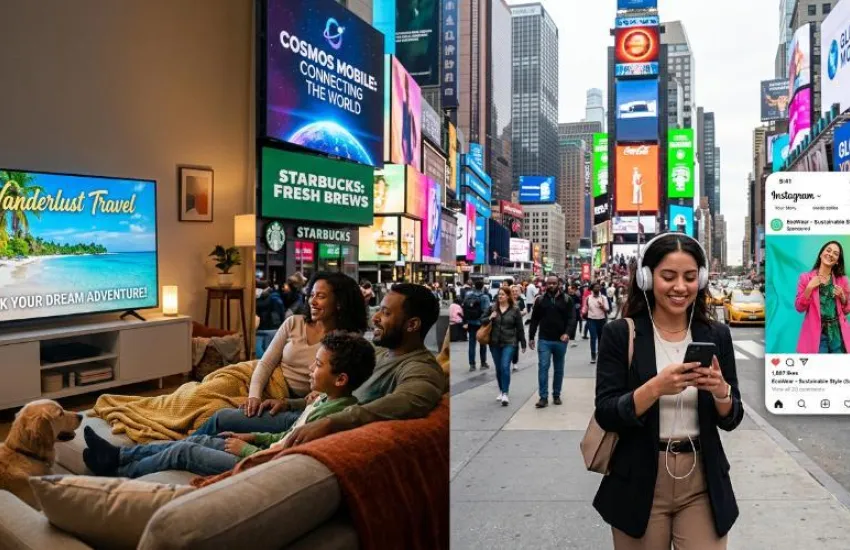
Consumers are becoming more willing to accept advertising when it provides clear value, but tolerance does not equal attention. For native and push advertisers, the opportunity is to turn that growing tolerance into engagement through relevance, trustworthy creative, competitive intelligence, and rigorous measurement. The advertisers that understand what already works—and continuously validate it against their own data—can reduce wasted impressions and build stronger campaigns.

Our spy tools monitor millions of TikTok ads from over 55+ countries. Biggest TikTok Ad Library in E-commerce and Mobile Apps!
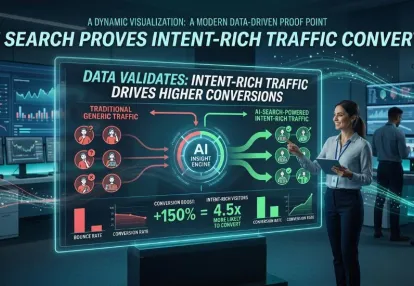
AI search is proving what push and native advertisers have understood for years: intent matters more than impressions. AI-referred visitors arrive after researching, comparing, and narrowing their options, producing smaller but higher-value audiences. The same principles—specificity, credibility, strong message-to-landing-page alignment, and competitive intelligence—can help marketers improve both paid campaigns and AI visibility.
Google's growing use of its own properties in AI results is reducing the visibility and traffic available to external publishers and brands. As AI Mode reshapes search discovery, performance marketers can reduce their dependence on Google by exploring push, pop, and TikTok in-stream advertising—using competitive ad intelligence to identify proven campaigns and enter alternative channels before costs rise.
As AI automates more of the performance marketer's execution work, human pattern recognition is becoming more valuable—not less. The competitive edge comes from studying live competitor campaigns, recognizing shifts across channels, and using those insights to give AI stronger strategic inputs. Ad intelligence becomes the training ground for better judgment, while automation turns that judgment into action at scale.
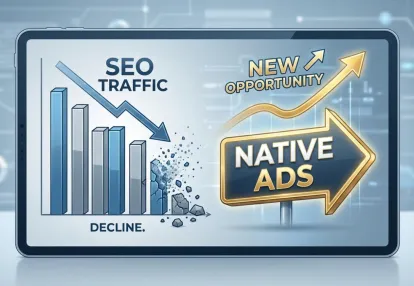
As Google search traffic declines, publishers are under growing pressure to replace lost revenue, creating new opportunities for native advertisers. Performance marketers can use competitive ad intelligence to identify undervalued publisher inventory, study proven campaigns, test networks, and secure favorable placements before pricing and competition normalize.
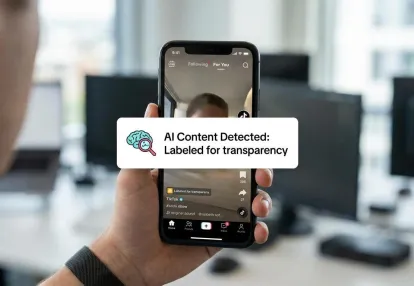
TikTok's growing ability to detect AI-generated content is changing how advertisers should approach creative. With billions of videos already labeled and stronger enforcement emerging, synthetic creative carries increasing distribution and compliance risks. For performance marketers, human-first content—real creators, real footage, and authentic testimonials—can provide a stronger combination of trust, algorithmic performance, and resilience against detection.
Platform changes can disrupt profitable campaigns before advertisers even understand what changed. By monitoring competitor creative shifts, campaign longevity, geographic movement, and channel changes through ad intelligence, performance marketers can spot early signals of algorithm updates, policy changes, and shifting auction dynamics—giving them time to adapt before the impact reaches their own campaigns.
AI visibility scores fluctuate because large language models generate probabilistic answers, making citations and brand mentions inherently unstable. Performance marketers should prioritize real-time competitive ad creative intelligence—headlines, visuals, offers, and landing pages backed by actual ad spend—as a more reliable foundation for campaign decisions, using AI visibility only as a supplementary signal.
As contextual targeting becomes more important in a privacy-first advertising landscape, affiliate marketers running native and push ads can gain a competitive edge by optimizing for content environments instead of audience profiles. By combining competitor placement intelligence, creative alignment, and dynamic whitelists, affiliates can build campaigns that achieve stronger engagement, better conversions, and more sustainable performance.
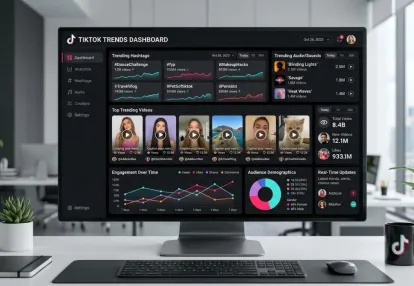
TikTok's biggest viral moments reveal more than cultural trends—they expose how the platform's recommendation engine rewards timing, momentum, and native creative. By combining trend velocity analysis with ad intelligence, marketers can identify emerging opportunities, activate campaigns at the right moment, and avoid chasing viral events after they've already peaked.
The rise of AI search is creating a major opportunity for affiliate marketers. Instead of competing for traditional organic rankings, affiliates can earn AI citations by leveraging review sites, publisher networks, comparison content, and competitive intelligence—winning visibility across AI-generated answers without relying on a large organic content strategy.
AI disclosure labels are creating a new competitive intelligence layer for advertisers. By monitoring whether competitors use AI-generated or human-created ads—and correlating those disclosures with creative longevity, scaling patterns, and campaign performance—native advertisers can uncover strategic insights that go far beyond compliance and gain a measurable edge.
TikTok's recommendation engine has transformed paid advertising into an algorithm-driven discovery system where creative acts as targeting. By adopting YouTube's "Suggested" mindset and reverse-engineering organic viral patterns, advertisers can build TikTok campaigns that earn lower costs, broader reach, and stronger performance in an AI-powered feed.