11 minSeptember 11, 2026

Our spy tools monitor millions of TikTok ads from over 55+ countries. Biggest TikTok Ad Library in E-commerce and Mobile Apps!
Try It FREEanstrex.com/blog/how-to-use-storytelling-in-reviews-for-an-emotional-connection" target="_blank" rel="noreferrer noopener">Emotional storytelling has quietly moved from “brand garnish” to one of the only performance levers you can’t buy off the shelf.
The reason is structural, not sentimental. When every competitor can plug into the same Performance Max, Advantage+, and broad targeting templates, the technical playing field flattens. As Nutrafol CMO Deena Bahri explained in an interview about “making brand magic happen when everyone’s doing the same thing,” the real differentiation now comes from how a brand makes people feel, not from access to a special bid strategy or a proprietary lookalike audience, because those advantages no longer exist in practice when everyone is using identical AI ad products and data infrastructure (Adweek). In that environment, emotional storytelling isn’t a soft, long-term “brand exercise”; it’s the only sustainable moat that shows up in your blended CAC and your search lift a quarter later.
The platforms themselves are forcing this pivot. As one MarTech analysis put it, AI is effectively making creative the new targeting. Google’s Performance Max, Meta’s Advantage+ ecosystem, and TikTok’s automated expansion all nudge advertisers away from tight audience definitions and toward broad, machine-led distribution. The algorithm needs signals to figure out who to show your ad to, and when audience filters get stripped back, your headline, your opening frame, your visual world, and the emotional temperature of your story become those signals. Targeting has migrated from the media settings pane into the narrative itself.
For performance marketers used to segmenting their way to efficiency, this can feel like losing control. In reality, it’s a reallocation of control. Instead of deciding who should see the ad in advance, you’re now deciding who will self-select into the story based on the emotions you foreground. That’s not a fluffy distinction; it’s a qualification mechanism. If your opening beat is anxious and problem-heavy, you’ll attract one cohort; if it’s hopeful, aspirational, or quietly tender, you’ll attract another. And as emotion-tracking across 39 distinct signals in creator-led content has shown, there is no universally “best” emotion—anxiety, for example, can lift beauty and food performance while actively suppressing entertainment and fashion (Search Engine Journal). Emotional calibration is now as much a targeting decision as a copy choice.
Crucially, emotional storytelling is not at odds with performance; it is increasingly how performance is generated. TikTok’s new premium formats are instructive here. The platform’s “Spotlight” product, which sequences up to three ads to the same user within a fifteen-minute window during high-engagement moments, is explicitly built to let brands tell a continuous story in a compressed time frame—something TV did well but digital direct response mostly abandoned (Neil Patel). That is a performance product designed around narrative, not just around frequency. Likewise, creator-led storytelling on TikTok has proven to move lower-funnel metrics: more than half of users report buying after seeing products on the platform, and TikTok Shop’s double-digit growth is being driven by emotionally resonant, creator-native formats rather than static offer ads.
If you want proof that emotion itself is the asset, not the logo, look outside performance marketing for a moment. Thai Life Insurance has spent years building long-form spots that focus almost entirely on human themes—love, sacrifice, grief, small acts of kindness—while their actual products sit quietly in the background. Films like “Unfading Love,” which follows a mother with Alzheimer’s tattooing her son’s medication on her arm so she can keep caring for him, rack up millions of views and international awards precisely because they feel more like short films than commercials (World Branding Forum). Yet the business impact is anything but soft: these emotionally charged narratives have made the brand globally synonymous with empathy in a low-interest category. Translate that approach into performance environments, and you begin to see why top-of-funnel emotional engagement is no longer a “nice-to-have”—it is the context that makes your eventual conversion message legible, credible, and frankly, clickable.
The net effect is that clinging to purely direct-response logic—optimize the thumbnail, slash the story, front-load the offer—now leaves measurable money on the table. When algorithms reward content that provokes a genuine emotional reaction and resolves it with a satisfying payoff, as recent cross-platform analysis has shown with triple-digit lifts in organic view rates for content that nails the ending, “brand” and “performance” are no longer separate budgets fighting for attention; they are the same system, and emotion is the shared input that powers it (Search Engine Journal).
If you strip away the language, locations, and production polish, Thai Life Insurance tear-jerkers and Dolly-style TikTok narrations are astonishingly consistent. They follow a tight, conversion-friendly structure you can actually map and rebuild.
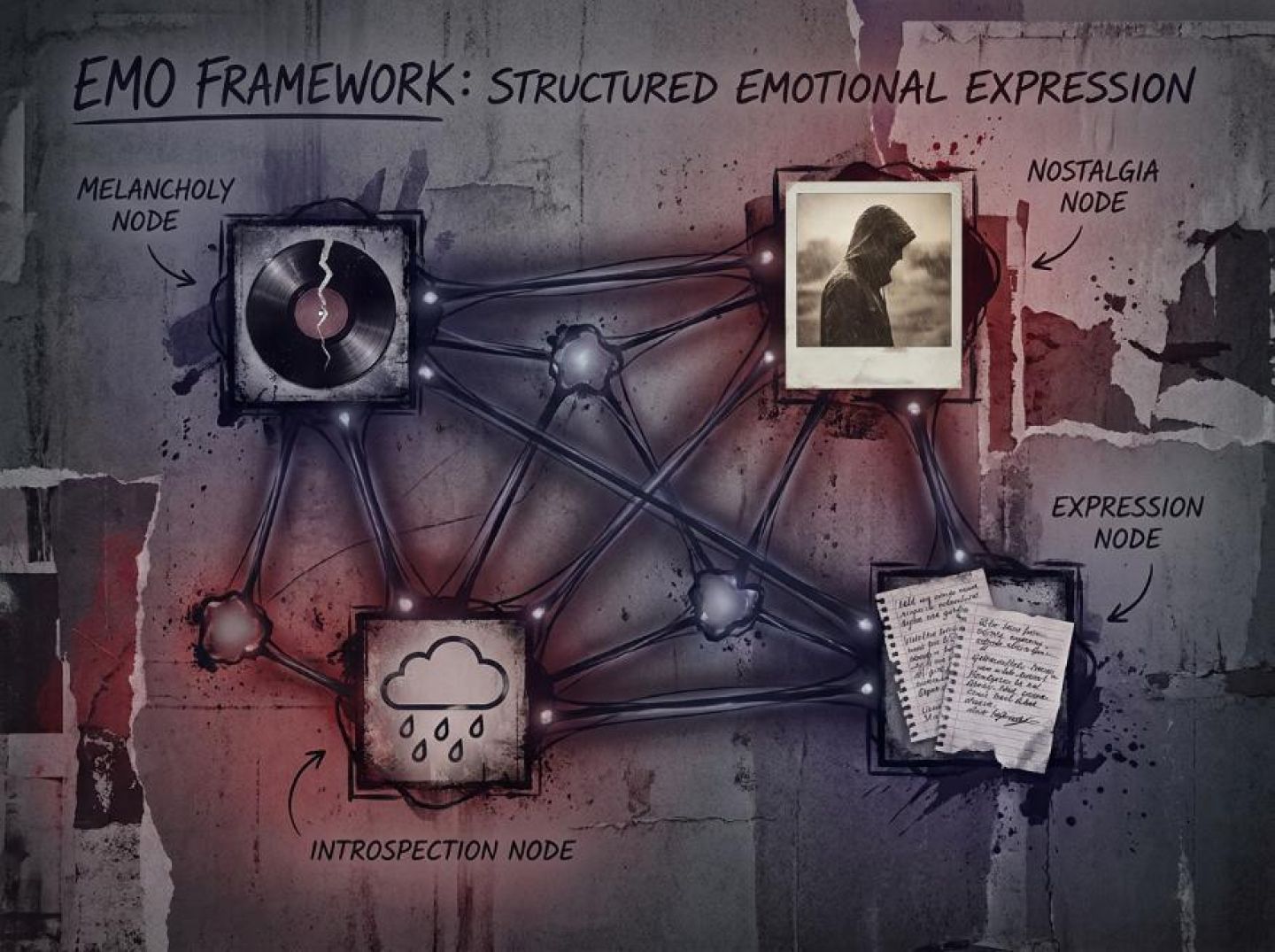
That’s the point of the EMO framework: Hook – Setup – Peak – Payoff – Brand Role. Think of it as a storyboard template for emotional ads that still respect ROAS.
Thai Life Insurance spots open like a smack in the face—never with a logo, rarely with a product. “Unfading Love” drops you straight into a mother with Alzheimer’s quietly tattooing medical instructions on her arm. You don’t yet know why; your brain scrambles to resolve the tension, and that curiosity is your scroll-stopper.
On TikTok and OTT, this “wait, what?” moment is even more essential. Viewers can’t skip every over-the-top ad, but they can tune out or switch devices, which is why performance-minded creative needs a visually legible hook that works even on mute, then deepens with sound and voiceover as recommended in this guidance on OTT emotional ads. In Dolly-style narrations, the hook is often a single charged line over an extreme close-up: “This was the day my dad forgot my name” or “My customer had no idea her life was about to change in 47 seconds.”
Reverse-engineer step: Screenshot the first three seconds of any high-retention emotional video. What’s the visual oddity, the unresolved situation, or the provocative line? Name it. Then, for your brand, write three alternative hooks that create a similar unresolved emotion without copying the plot.
Right after the hook, Thai Life ads ground you in a mundane but emotionally loaded routine: caregiving, commuting, small acts of kindness. “Unsung Hero” doesn’t introduce insurance features; it shows an ordinary man watering plants, helping strangers, feeding a stray dog, and being mocked for it, as this breakdown of the campaign explains. The “plot” is simply a pattern of behavior that reveals values.
This is the moment where most performance marketers blow it. They jump from hook to hard pitch, because performance culture has trained them to prioritize what can be instantly attributed and optimized, as noted in an analysis of performance marketing’s blind spot. Emotional ads, by contrast, spend their setup budget on context: Who is this for? What do they care about? What will it cost them emotionally if nothing changes?
Reverse-engineer step: Transcribe the first 20–30 seconds of dialogue and action from a winning emotional spot. Label each beat as “world-building,” “character,” or “stakes.” Then draft a version for your product that stays in the customer’s world (their fears, routines, relationships) for at least three beats before you let the offer speak.
Every Thai Life ad has a single heartbeat where the meaning flips. In “Unfading Love,” you realize the tattoo isn’t self-harm or rebellion—it’s a mother hard-coding her love against the erosion of memory. In “Unsung Hero,” the people who mocked the protagonist become witnesses to the ripple effect of his small kindnesses. Viewers experience a sharp emotional reframe: what looked foolish or tragic becomes noble, hopeful, or deeply human.
On TikTok, this is the twist where the off-screen narrator reveals, “That customer? That was me,” or “I thought my business was dying—turns out, this was the day it started to scale.” In OTT or streaming TV, AI tooling is already helping brands test different emotional arcs and placements, using viewer signals to understand which reversals keep people engaged and which feel manipulative, as coverage of AI-driven creative and measurement in streaming points out.
Reverse-engineer step: Identify the exact frame where your feelings about the protagonist change. Write down: “Before this moment, I believed X; after this moment, I believed Y.” For your brand, define the same emotional reframe: “Before this ad, the viewer believes ___; after, they believe ___.” That belief shift is your Peak.
The payoff is where emotion meets action. Thai Life doesn’t end on abstract sentiment; it shows the tangible aftermath of the Peak: a child being protected, a community transformed, a life trajectory altered. The viewer is left with a clear, felt understanding: “This kind of protection matters in my real life.”
On platforms like TikTok, that payoff doesn’t have to be cinematic. It might be a simple, grounded resolution—“Today, my mom still forgets things. But she’ll never forget I’m taken care of”—paired with a clear offer or CTA, which fits TikTok’s push to collapse discovery and purchase into one continuous flow using new all-in-one funnel tools.
Reverse-engineer step: List what is visibly different in the final 10 seconds versus the first 10: relationships, status, safety, hope. Then choose one of those as the concrete outcome your product can credibly deliver, and script a visual or narrated proof of that outcome, not just a slogan.
The final move in the EMO framework is how the brand appears. In Thai Life’s work, the logo and line land after the emotional arc is complete. The brand is positioned as an enabler of the value you just witnessed—protection, care, security—not the hero of the story. That restraint is exactly what makes people accept the sales message instead of rejecting it as exploitative.
For performance marketers, this doesn’t mean hiding attribution; it means delaying it. Your brand can appear visually earlier (on packaging, in-app screens, UI overlays), but the narrative hero should remain the human. In measurement-obsessed environments, this is counterintuitive, yet it’s how you create the kind of demand that traditional performance tactics can’t capture alone, as argued in recent thinking on measuring and optimizing brand impact.
Reverse-engineer step: Watch your chosen spot with the sound off and mark every moment the brand appears. Are they rescuing the character, or simply present as a tool, backdrop, or safeguard? For your script, define one sentence: “Our product is the ___ in this story” (safety net, amplifier, witness, guide). Then ruthlessly remove any line that turns your brand into the protagonist.
When you break Thai Life and Dolly-style ads down into Hook, Setup, Peak, Payoff, and Brand Role, they stop looking like mystical “tear factories” and start looking like engineered emotional funnels. In the next section, we’ll translate EMO into a practical, step-by-step reverse-engineering workflow you can run on any ad that makes your team say, “We need one of those.”
If EMO is your blueprint, ad intelligence tools are your field lab.
The goal in this stage is not “find a cute ad and copy it.” It’s to systematically locate high-EMO winners that are already proving they can move people and revenue, then reverse-engineer them into reusable patterns.
Here’s how to do that without turning your process into an endless swipe-file safari.
Before you even open an ad library or intelligence platform, decide what you’re hunting for:
Document those criteria. They’ll anchor your scouting so you don’t get distracted by pretty-but-ineffective work.
Start with the channels where emotional storytelling is already the native dialect.
On TikTok, that means combining its public ad libraries with the platform’s own funnel tools. TikTok has been rebuilding the entire funnel inside the app, with AI touching everything from content generation to conversion, as Social Media Examiner describes. That’s important, because it means you can:
On OTT and streaming platforms, use the ad examples and best practices that performance writers have already curated. Guides to OTT advertising point out that it gives you “the audience attention of traditional TV” with digital-level tracking and conversion tools, and that the best performers lean hard into storytelling and emotional cues like music, pacing, and voiceover, as this WordStream analysis emphasizes. When you review connected TV or streaming ads inside intelligence tools, prioritize those that:
Once you’ve surfaced a batch of suspected winners, resist the temptation to immediately start copying the script. Instead:
You’re turning the messy flood of creative into a structured dataset of emotional patterns.
Ad intelligence platforms and AI reporting stacks can tell you what’s working and where, but they can’t tell you why a single tear at 0:07 outperforms a product demo at 0:02.
Use the tech like this:
The outcome of this hunt is not a folder of “ads we like.” It’s a living library of high-confidence emotional structures, annotated with performance signals, that you can now adapt to your category and feed into your own creative and testing machine.
Turning emotional stories into performance assets starts with one mindset shift: every feeling, beat, and line you love in a video is a testable variable, not a sacred cow. EMO gives you the structure; now you’re going to turn that structure into an experiment map.
Think in stacks: Hook tests, Emotion tests, Ending tests. Everything else is secondary.
In emotional creative, the hook is not just “what gets attention.” It’s the first promise of what kind of story this is going to be.
Codify hooks into repeatable patterns you can A/B:
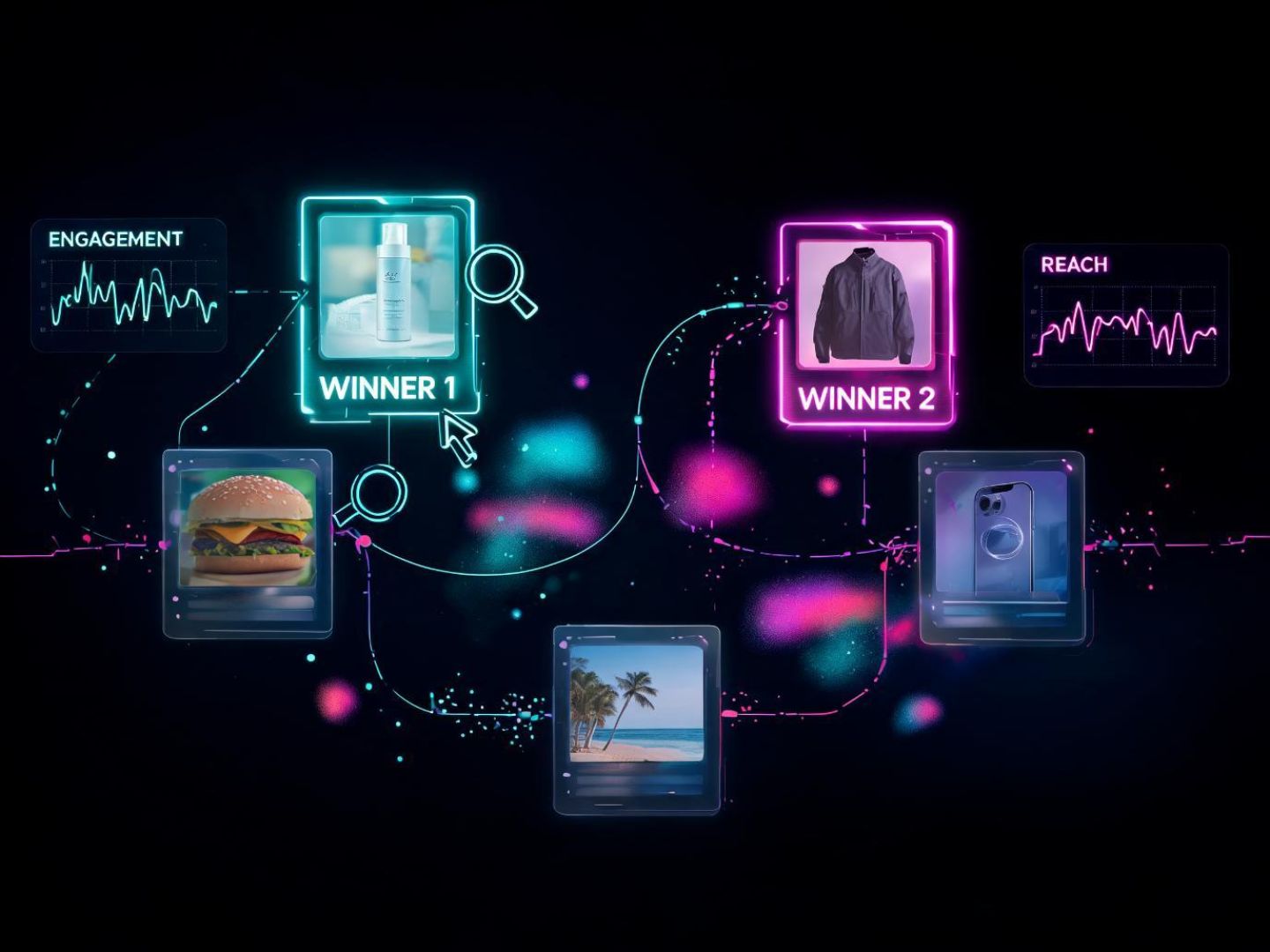
For each EMO storyboard, build a micro testing matrix:
If you’re running TikTok, fold these into platform-native tools. TikTok’s Symphony AI can spin multiple hook variants from the same script and assets, letting you test emotional openings at scale without rewriting every time.
The point of emotional storytelling is not to “make people cry.” It’s to find the specific emotional register that lifts your metrics in your vertical.
One cross-platform study summarized in Search Engine Journal’s breakdown showed there is no universal best emotion. Anxiety boosted performance in beauty and food while suppressing it in fashion and entertainment, whereas gratitude had the opposite effect. That’s a testing roadmap.
Translate that into EMO experiments:
Thai Life Insurance’s films like “Unfading Love” show how far you can push emotional specificity while still staying brand-safe: Alzheimer’s, grief, unglamorous caregiving. You don’t have to mirror the topics, but you can absolutely test moving from broad “feel-good” themes into sharper, more human specifics.
Most marketers are over-invested in hooks and under-invested in endings, even though the same research cited by Search Engine Journal shows that content with a strong payoff lifted organic view rates by 110% overall and 318% on TikTok. That’s the Peak-End Rule in action: people remember the emotional peak and how you leave them.
Use that to define testable ending formats:
View Thai Life Insurance’s “Unsung Hero” and “Unfading Love” as reference points for the “quiet enabler” archetype; the brand is present, but the emotional arc is entirely human, which World Branding Forum’s profile credits for the campaigns’ memorability.
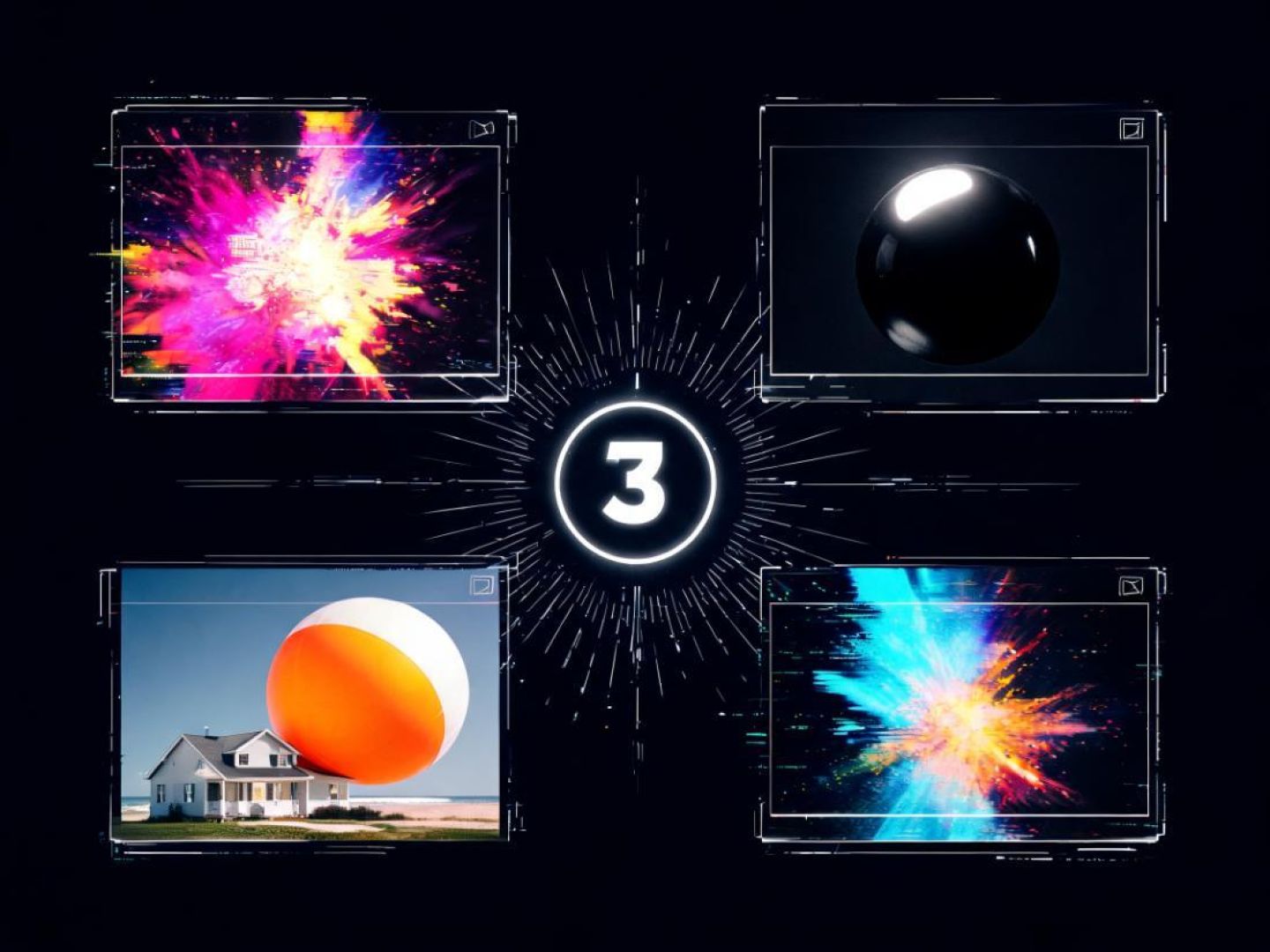
On TikTok, you can also turn endings into placement tests. Sequential formats that deliver multiple spots to the same user in a tight window, as Neil Patel explains in his overview of TikTok’s premium ad pushes, effectively let you split your payoff across two or three exposures: Story Part 1 (Hook + Setup), Story Part 2 (Peak), Story Part 3 (Payoff + Brand Role). You can then A/B:
Instead of brainstorming “new ideas” every month, maintain a living matrix:
For each row–column pair, define one EMO storyboard and two to three tactical variants to A/B. Use TikTok’s AI creation tools and OTT best practices around emotion-forward visuals and voiceover to keep production lean.
Now your tear-jerkers and TikTok narrations aren’t one-offs. They’re structured experiments where you can say, with data, which hooks, feelings, and endings actually move your numbers—and rebuild those winning patterns on command.
Once you’ve identified a winning emotional structure, your first job is to explode it into hook variations — systematically, not intuitively. In an AI-native environment where creative is effectively the new targeting signal, the opening three seconds are now both your thumb-stopping device and your audience filter. As one analysis of broad-targeting trends notes, ad platforms increasingly use your headlines and visuals as signals to decide who should even see the ad in the first place, making the hook do double duty as both story opener and qualification mechanism for the algorithm-driven feed.
Start by isolating the “emotional promise” of your story and then rewriting it through different angles that each stress-test a different human trigger: curiosity, tension, identification, or social proof. If your core story is a caregiver sacrificing sleep to look after a parent, one hook might lean into mystery (“She writes the same word on her arm every night — here’s why”), another into conflict (“Her mom can’t remember her name, but she refuses to forget this”), another into outcome (“The five seconds that changed how she cared for her mother”). Each of those hooks is selling the same narrative, but they’re fishing for different emotions and different segments of your broad audience.
Don’t guess which angle is “best.” Treat hooks like performance creatives you’d run in a structured campaign: build a mini-matrix that crosses emotional tone (awe, guilt, relief, belonging) with narrative device (question, contradiction, cold open, visual oddity, pattern break). A “cold open” hook might drop the viewer into the most emotionally charged frame with zero context (a mother tattooing her arm in silence), while a “pattern break” hook might start like a generic ad (“Insurance can’t change your life”) and then abruptly flip expectations (“but one stranger can”). Think of the emotionally dense openings in iconic Thai Life Insurance spots: they rarely waste time on exposition, instead dropping viewers straight into small, human moments that make you lean in, a tactic that has helped the brand build short-film-like ads people voluntarily watch to the end.
The key is to separate what’s sacred from what’s swappable. The underlying EMO structure — the emotional need, the meaning shift, the outcome — stays constant. The hook is where you’re ruthlessly experimental. In a world where AI can spin out hundreds of variants, the teams winning are the ones who feed those systems with sharply differentiated hook concepts rather than 20 slight rewrites of the same safe line. As one overview of AI-native advertising points out, speed plus structured variation is now a competitive advantage: brands that can launch and iterate on dozens of creative variations in days are better positioned to ride cultural moments and intent shifts than those stuck in quarterly production cycles.
At the same time, hooks have to harmonize with your platform realities. TikTok’s high-engagement, sound-on environment rewards hooks that feel like they belong inside the content feed — a raw confession, an unexpected POV shot, a creator-style talking head — rather than polished, interruptive spots. New premium formats that chain multiple impressions from the same brand within minutes are essentially giving you a mini-series slot; your hook in the first asset doesn’t just have to stop the scroll, it has to plant a question that the second and third ads will answer. That means you’re not only testing individual hooks, but also testing how a sequence of hooks can build tension and payoff over a short window.
Practically, build a hook-testing playbook where each variation is tagged by emotional driver, narrative device, and intended audience signal. Launch them in controlled batches, then read performance not only on CTR or watch time, but on which hooks are most effective at qualifying the right people — those who stay through the emotional reveal and move into your next funnel step. Over time, you’ll see patterns: maybe guilt-based questions over-index for one segment while hope-based contradictions win for another. That’s the point where hooks stop being one-off clever lines and become a reusable, data-backed system for opening any future emotional story you produce.
Emotional register is where most performance marketers go fuzzy. You know you want people to “feel something,” but you don’t define what, you don’t segment by category, and you absolutely don’t test it with the same rigor you bring to audiences or bids.
You need to get far more literal: for every concept, you’re choosing a primary emotional register (what people mostly feel) and a secondary register (what colors it). Think in concrete labels: awe, relief, righteous anger, cozy belonging, bittersweet nostalgia, social embarrassment, quiet pride, mischievous joy, etc. Then you deliberately design variations that swap those emotional settings while keeping everything else as constant as possible.
This isn’t just a creative-writing exercise; emotion is a performance lever that behaves very differently by category. As one multi-platform analysis summarized in Search Engine Journal’s report, there is no universal best emotion. Anxiety lifts results in beauty and food but suppresses entertainment, retail, and fashion, while gratitude boosts retail and fashion but drags down beauty and food. If your brand runs across multiple verticals (or even multiple use cases), a single “on-brand tone” is statistically guaranteed to be wrong for somebody.
In EMO terms, emotional register is the “E” you’re now isolating and testing. Once you have a winning hook format, you don’t just write twenty more witty openings and call it a day; you clone the structure and deliberately change the feeling. For example:
Same product, similar promise, different emotional registers. Each becomes its own test cell.
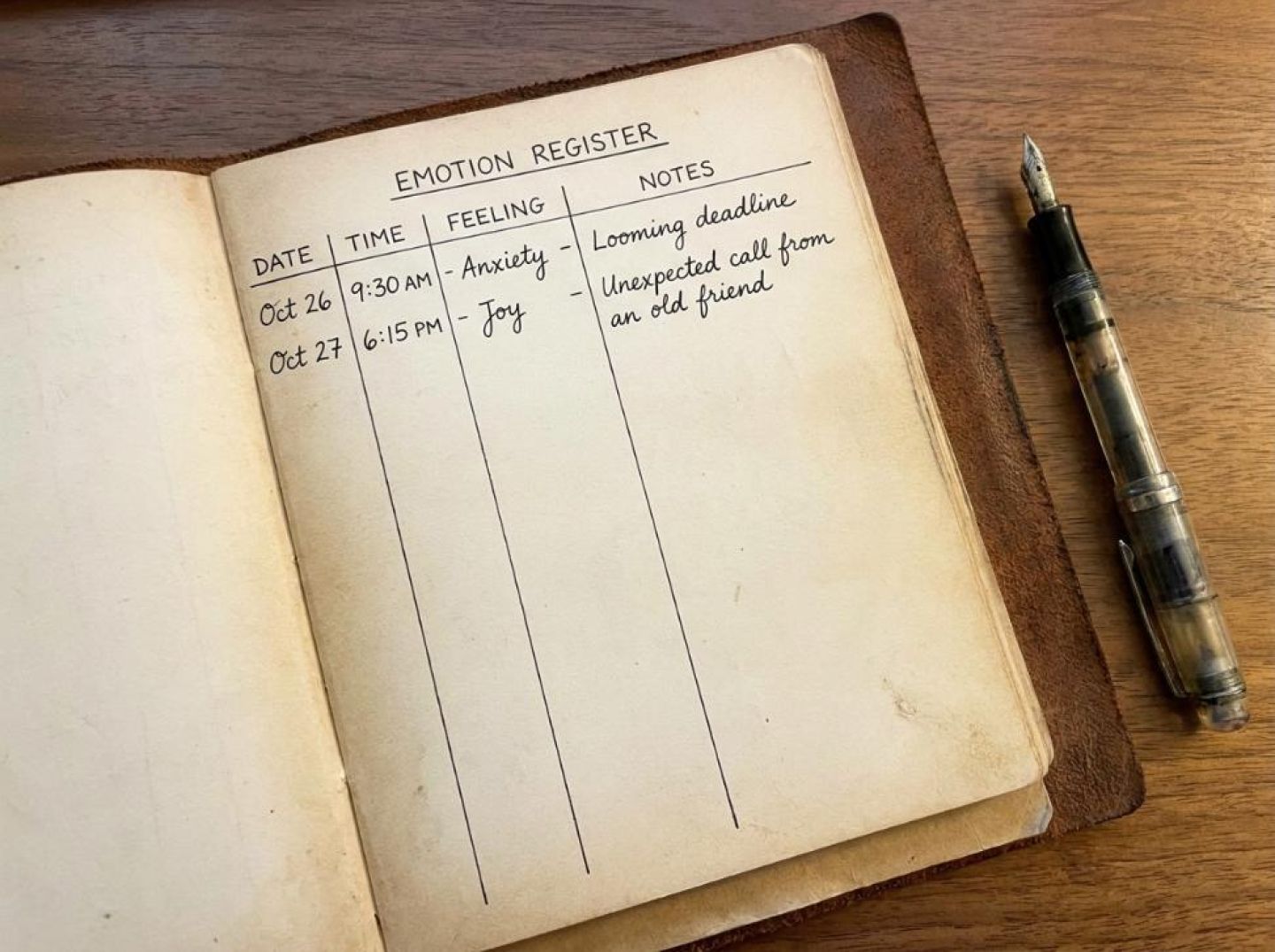
Your job is to name these registers and log them as explicit variables, not vibes. If you’re setting up EMO in a spreadsheet or creative tracker, you should be tagging each asset with fields like “Primary Emotion: anticipatory anxiety” and “Secondary Emotion: relief/competence.” Later, you cut the data by emotional label: “show me all beauty creatives indexed as ‘vulnerable → empowered’ that ran on TikTok Shop” or “pull OTT assets where the ending beat was ‘bittersweet’ instead of ‘triumphant.’”
Why this level of granularity now? Because platforms are getting frighteningly good at reading and rewarding emotional nuance. TikTok’s push to keep the entire funnel inside the app, from Symphony AI content creation through search and native checkout, means the algorithm has more behavioral feedback than ever on which feelings actually move people from scroll to search to purchase. As Social Media Examiner explains in its breakdown of TikTok’s new funnel tools, discovery is increasingly coupled directly to conversion inside a single emotional environment. That environment favors creative that feels like the feed: specific, human, often raw.
Raw doesn’t mean chaotic. It means you’re willing to leave the safety of bland, “brand-protective” emotion and move toward what that SEJ analysis found actually works: content that provokes a genuine, even awkward reaction, paired with a positive resolution, lifts both view rate and consideration. Your emotional register tests should explicitly cover both ends of that arc: uncomfortable honesty at the peak (shame, fear of missing out, social awkwardness) and a credible, emotionally satisfying resolution (relief, pride, gratitude).
This is where you can steal from brand storytelling without abandoning performance discipline. Long-form, emotionally rich work like Thai Life Insurance’s “Unsung Hero” and “Unfading Love” isn’t powerful because it’s sad; it’s powerful because each film commits to a clear, singular emotional register (quiet sacrifice, unfading devotion) and sees it through to a memorable peak and ending. As World Branding Forum’s profile of those campaigns notes, viewers remember the feeling long after the story ends. You’re doing the same thing in 15–30 seconds: picking one emotional color and turning it up, not cycling through five different moods.
For performance marketers, the move is to de-romanticize this. A strong emotional register is not a “creative win”; it’s a hypothesis to be versioned. You’ll run an “awe → inspiration” stack against a “frustration → competence” stack, then migrate the winning register into other placements and formats. OTT, for example, is explicitly framed as a medium for marketing with emotion; guidance from the WordStream team on OTT ads emphasizes emotional images, music, and words as the backbone of memorable campaigns. If OTT is your “lean-back TV” environment and TikTok is your “lean-in, thumb-driven” environment, your registers will likely differ—but they should still be named, logged, and tested, not left to chance.
The result is a creative engine where “make it more emotional” stops being a vague stakeholder request and becomes a precise directive: “We’re under-indexed on ‘cozy belonging’ in fashion; build three new EMO variants that keep the current hook structure but swap the register from aspirational to communal, and we’ll pit them head-to-head in the next batch.”
Receive top converting landing pages in your inbox every week from us.
Featured
Emotional storytelling is becoming a powerful performance lever as AI-driven advertising makes targeting increasingly dependent on creative signals. This guide introduces the EMO framework—Hook, Setup, Peak, Payoff, and Brand Role—and shows how marketers can use ad intelligence to find emotional winners and systematically test hooks, emotional registers, and endings.
David Kim
7 minSep 11, 2026
Quick Read
Query fan-out is changing how buyers research, compare, and discover products through AI search. Learn how to use Anstrex to reverse-engineer the winning angles, hooks, and funnels shaped by these hidden intent patterns and align your performance strategy with them.
Samantha Reed
7 minSep 9, 2026
Most Read
Discover how to connect ad spy data with on-site behavior, CRM insights, and revenue outcomes to uncover the real drivers of ROI. Learn how to turn Anstrex from a creative swipe tool into a closed-loop system for testing winning ad angles, funnels, and customer journeys.
Dan Smith
7 minSep 9, 2026