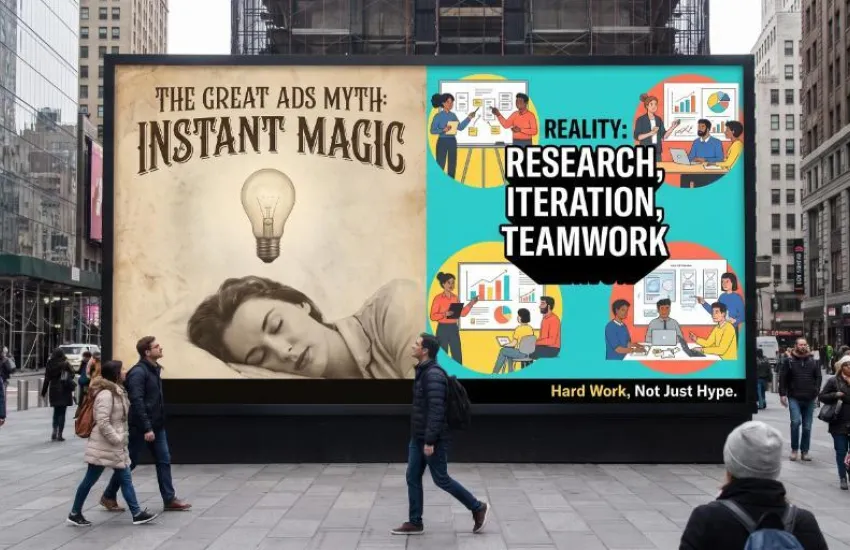
Learn why “great ads” are no longer enough in an AI-first advertising economy, where creative is increasingly used as a targeting signal and performance input. This guide explains how to build data-obsessed creative teams, replace vibes-based inspiration with live creative intelligence, and turn every campaign into a learning engine.

Our spy tools monitor millions of TikTok ads from over 55+ countries. Biggest TikTok Ad Library in E-commerce and Mobile Apps!
Discover how Pure Leaf’s “Break Conference” can be deconstructed as a full-funnel strategy spanning Native, Push, and Pop advertising. This guide shows how marketers can use creator content, TikTok Instream, Anstrex, search data, and PR signals to turn a feel-good brand stunt into a measurable performance engine.
Discover why many OOH job descriptions still reflect a 2008-era, inventory-first mindset and how operators can redesign roles around data, performance, and competitive intelligence. This guide shows how sales reps, general managers, mobile OOH teams, and performance marketers can turn OOH into a measurable, full-funnel growth channel.
Explore what OOH job classifieds reveal about the future of competitive ad intelligence and why traditional sales skills alone may no longer be enough. This guide shows how sales, operations, installation, and creative teams can become intelligence nodes that help OOH companies spot market shifts and competitor activity faster.
Learn how to transform one powerful brand moment into scalable Native, Push, and Pop funnels instead of relying on a single hero ad. This guide covers modular creative, TikTok funnel thinking, competitive intelligence with Anstrex, cross-channel testing, and a repeatable creative supply chain.
Learn how OOH professionals can transfer their sales, operations, creative, and experiential skills into performance-driven Native and Push advertising. This guide breaks down how billboard expertise translates into digital media buying, channel orchestration, scroll-stopping creative, funnels, and measurable performance.
Discover why award-winning and highly praised creative does not always translate into profitable advertising performance. This guide shows how to turn inspiration into structured testing, reverse-engineer winning ads across Native, Push, Pop, and TikTok, and build a repeatable creative-performance loop.
Follower counts and polished profiles don’t always reveal which creators can actually drive sales. This guide shows how to use ad spy data to identify proven creator content, evaluate performance signals, and build a stronger influencer shortlist before spending your budget.
GEO is evolving from a reporting exercise into a growth strategy, and paid ad data can provide valuable insight into the narratives, intents, and signals AI engines encounter. This guide explains how to use Anstrex and ad spy intelligence to research proven messaging, build AI-ready content, monitor competitors, and strengthen your brand’s presence in generative search.
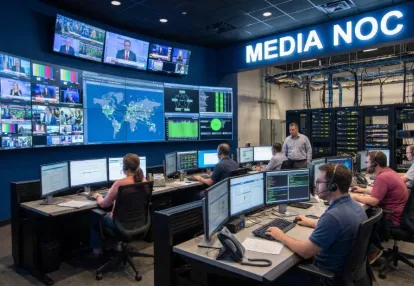
Learn how to apply the Network Operations Center (NOC) model to modern media buying by connecting creative, delivery, site, CRM, and revenue signals in one operating system. This guide shows how to use Anstrex, AI tools, alerts, guardrails, and incident runbooks to monitor TikTok and paid media performance and respond faster to problems.
Discover how city-level ad intelligence can help marketers build campaigns that feel local while scaling globally. Learn how to use Anstrex to uncover geographic, language, creative, and funnel patterns across Native, TikTok, Push, and Pops, then turn those insights into repeatable localized campaigns.
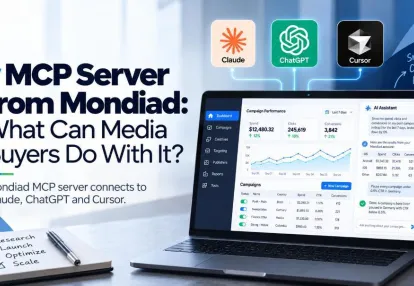
Mondiad’s MCP connector lets media buyers connect their ad account to AI assistants such as Claude, ChatGPT, and Cursor. This guide explains what the connector can do, its limitations, and how to connect it for managing campaigns through a chat interface.
AI-powered ad platforms can optimize campaigns efficiently while quietly steering budgets toward narrow, platform-defined outcomes. Learn how to use Anstrex as an outside-in audit layer to uncover machine bias, compare real market behavior, and build AI media plans with stronger guardrails, audit loops, and human overrides.